Hospitality · 7 min read
What Luxury Hotels Teach Healthcare
Patients judge the quality of care partly by the room they wait in. The research is consistent enough that 'hospitality' should be read as a clinical strategy, not a finish schedule.
The room changes the verdict
Becker and Douglass (2008) compared outpatient waiting areas of differing attractiveness. Patients in the more attractive settings reported less anxiety and rated the quality of their care higher, and even judged the staff as more skilled. The medicine was the same. Perception was not.
Swan, Richardson and Hutton (2003) found a similar effect in inpatient rooms: more appealing, hotel-like rooms were associated with better evaluations of the whole stay, including intention to return.
The 'healthscape'
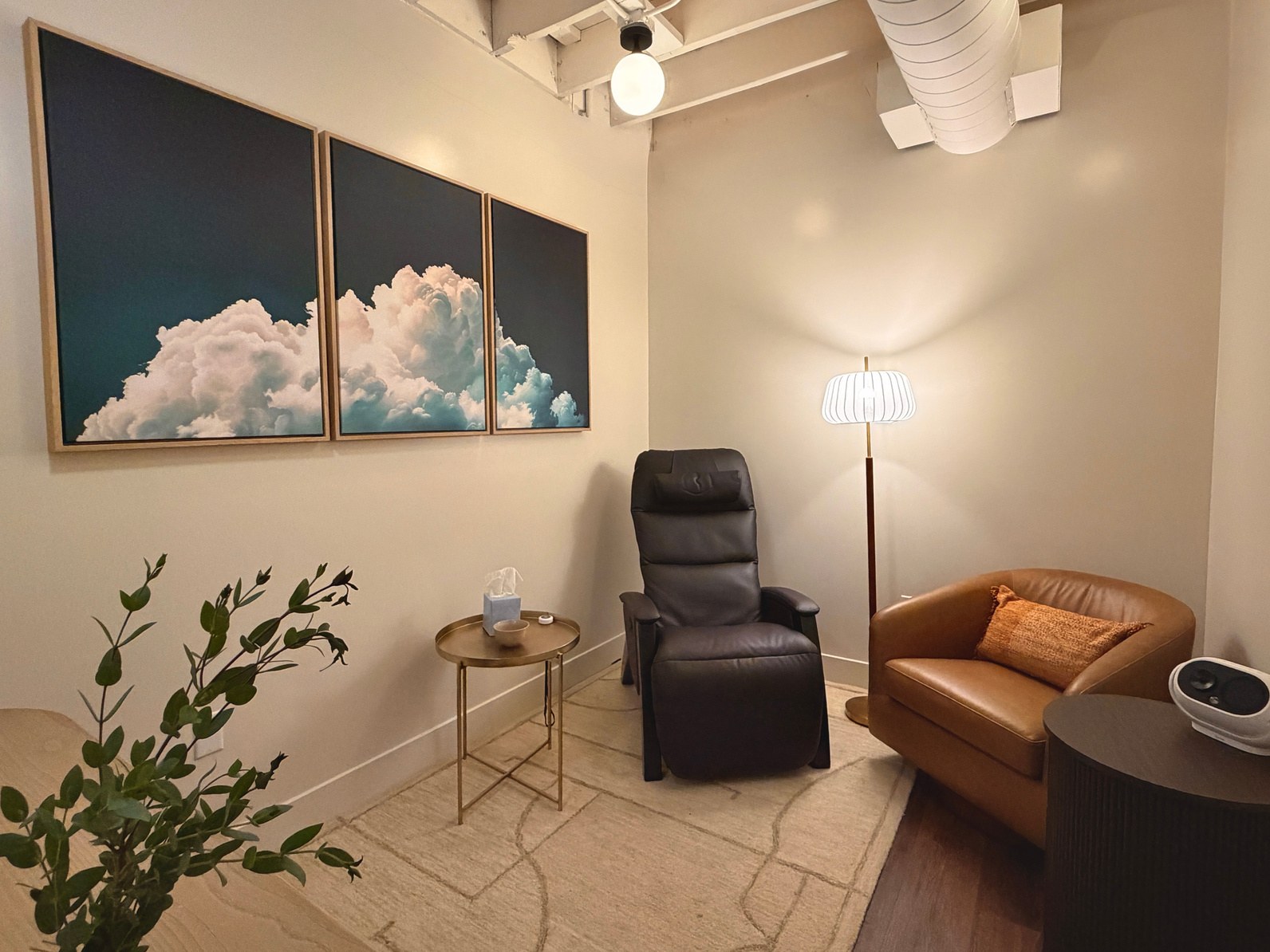
Hospitality researchers Suess and Mody (2018) describe the 'hospitable healthscape' — healthcare settings that borrow the service and design cues of hotels. Their work links those cues to patients' sense of wellbeing and willingness to recommend. The lesson is not marble. It is choreography.
What hotels actually do
A good hotel manages the first thirty feet with care: a threshold that slows you, a person who sees you before you have to ask, a place to set down a bag, a sightline that tells you where to go without a sign. It keeps service routes hidden. It separates arrival from departure so that nobody leaves through a crowd.
Every one of these moves carries over to a clinic, and most matter more there. Someone arriving for a psychiatric appointment has more reason than any hotel guest to want discretion.
For your space
- — Treat perceived quality as real: the room shapes how care is judged.
- — Design arrival and departure as separate sequences.
- — Hide the machinery — storage, supplies, staff routes — the way a hotel hides housekeeping.
Sources
- 1.Becker, F. & Douglass, S. (2008). The ecology of the patient visit: physical attractiveness, waiting times, and perceived quality of care. Journal of Ambulatory Care Management, 31(2).Attractive waiting rooms and perceived quality.
- 2.Swan, J. E., Richardson, L. D. & Hutton, J. D. (2003). Do appealing hospital rooms increase patient evaluations of physicians, nurses, and hospital services? Health Care Management Review, 28(3).Room appeal and patient evaluations.
- 3.Suess, C. & Mody, M. (2018). The influence of hospitable design and service on patient responses. The Service Industries Journal, 38(1–2).The hospitable healthscape.